Dad Est. 2026 Machine Embroidery Review
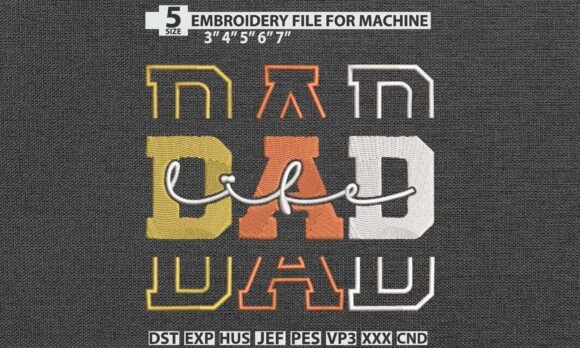
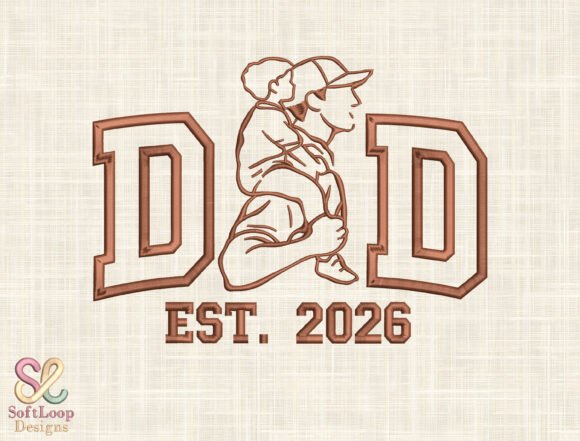
As I set up my table for the upcoming weekend craft fair, I am sorting through a stack of digital files to decide which designs will translate best into physical goods. The market is flooded with generic prints, but customers are increasingly seeking the tactile quality of a handmade product. Today, I am putting the Dad Est. 2026 Machine Embroidery design under the microscope. This file promises to capture the playful spirit and strong foundation of fatherhood, featuring a minimalist line-art illustration of a father figure. Before I commit hours of machine time to production, I need to determine if this specific machine embroidery design has what it takes to stand out in a crowded booth and convert browsers into buyers.
First Impressions: Minimalist Appeal and Modern Charm
At first glance, the Dad Est. 2026 Machine Embroidery design feels refreshingly modern. Unlike the heavy, saturated scripts that often dominate Father S Day collections, this design relies on clean lines and negative space. The minimalist line-art approach suggests a versatile aesthetic that fits well within current farmhouse, rustic, and contemporary home decor trends. It does not scream "gift" in a loud way; instead, it whispers quality and thoughtfulness. For an Etsy seller or boutique maker, this subtlety is a massive advantage. It allows the texture of the thread and the fabric to speak louder than the graphic itself.
The inclusion of the year "2026" adds a layer of exclusivity and forward-thinking appeal. It positions the item as a keepsake for expectant fathers or a commemorative piece for those welcoming a new child soon. This specificity makes the design feel personal rather than mass-produced. However, the success of this embroidery file hinges entirely on execution. A minimalist design can look cheap if the stitch density is too low or if the stabilizer choice is poor. Conversely, when executed correctly, it exudes a premium feel that justifies a higher price point at a craft fair.
Product Placement: Where Does It Shine?
To maximize sales, I need to match the design's visual weight with the right product. I have tested several applications mentally before even threading my machine. Here is how the Dad Est. 2026 Machine Embroidery performs across different items:
- Tote Bags and Market Bags: This is arguably the strongest application. The linear nature of the art flows beautifully along the side or bottom corner of a canvas tote. It acts as a stylish accent rather than a overwhelming focal point, making the bag usable for everyday grocery runs while still serving as a conversation starter.
- Tea Towels and Aprons: Kitchen linens are high-velocity sellers. Placing this tea towel embroidery near the hem or centering it on an apron pocket creates a charming, domestic vibe. The line art holds up well against the textured weave of cotton towels, provided the stitching is tight enough to prevent snagging.
- Embroidered Patches: For those who prefer versatility, converting this into an embroidered patch opens up new revenue streams. Customers can iron them onto denim jackets, backpacks, or hats. The simple lines ensure the patch remains recognizable even when applied to curved surfaces.
- Caps and Headwear: While caps are tricky due to their curvature, the compact nature of this design makes it viable. However, one must be cautious with the lettering size. If the "Est. 2026" text becomes too small on a standard cap hoop, it may lose legibility.
- Pillow Covers and Home Decor: As a small shop product, a linen pillow cover featuring this design adds a touch of elegance to nursery decor or living rooms. It serves as a subtle nod to family without being overly sentimental.
Production Realities: Stitch Density and Fabric Texture
While the concept is sound, the reality of commercial embroidery requires careful planning. The minimalist style means there are fewer stitches to hide imperfections. If the stitch density is too sparse, the backing might show through, ruining the clean look. Conversely, if it is too dense, the fabric may pucker, especially on lightweight materials like tea towels.
I always recommend testing the design on scrap fabric first. When working with Dad Est. 2026 Machine Embroidery, pay close attention to the line thickness. Thin lines require precise tension settings. If you are using a dark fabric, the contrast of light thread will make the lines pop, but you must use a tear-away or cut-away stabilizer appropriate for the fabric weight to prevent distortion. Textured fabrics, such as waffle-weave towels or heavy canvas, can sometimes swallow fine details. In these cases, increasing the hoop size slightly or adjusting the pull compensation in your digitizing software might be necessary.
Another critical factor is the lettering. The phrase "Dad Est. 2026" needs to remain legible at various scales. On a large tote bag, it works perfectly. On a small pouch, however, the year might become unreadable. Always review the spacing between letters and ensure there is no risk of thread bridging over gaps in the text. A blurry date defeats the purpose of a commemorative gift.
Marketing and Visual Appeal for the Craft Fair
In a physical booth setting, lighting and display are everything. The Dad Est. 2026 Machine Embroidery design photographs exceptionally well for online listings because the shadows cast by the raised thread add depth to the image. For your printable mockup assets, focus on showing the texture. Close-up shots that highlight the sheen of the thread against matte fabric will drive engagement.
This design also offers excellent brand consistency. Because it is neutral and modern, it can be paired with various color palettes. You could offer the same design in sage green, navy blue, or soft gray to match different customer preferences. This variety increases the perceived value of your booth without requiring new digitizing work. It signals to the buyer that you are a professional embroidery designer who understands color theory and market trends.
When arranging your table, group the products logically. Place the tote bag design next to the matching apron embroidery to create a cohesive story. Use signage that highlights the "2026" aspect, perhaps with a tagline like "Future Dads Welcome." This targets a specific demographic—expectant parents—who are actively looking for unique gifts.
Final Checklist for Success
Before you finalize your inventory, run through this practical checklist to ensure your Dad Est. 2026 Machine Embroidery products are flawless:
- Test Run: Always embroider a test sample on the exact fabric you plan to sell. Check for puckering and thread breaks.
- Thread Contrast: Ensure the thread colors provide enough contrast against the background fabric for the line art to be visible from three feet away.
- Stabilizer Choice: Match the stabilizer to the fabric texture. Heavyweight fabrics need heavier support to keep lines crisp.
- Licensing Check: Confirm your commercial license terms. Ensure you are allowed to sell finished goods and that the file usage rights align with your business model.
- Mockups: Create realistic photos of the finished product in use. Show the tote bag filled with groceries or the apron worn in a kitchen.
- Size Verification: Double-check that the text remains readable on all intended product sizes, especially smaller items like keychains or patches.
The Dad Est. 2026 Machine Embroidery design is a promising asset for any creative entrepreneur. Its blend of minimalism and sentimentality makes it a versatile tool for creating high-value, handmade goods. By paying attention to the technical details of digital embroidery file execution and presenting the items with care, you can turn this single design into a cornerstone of your Father's Day collection. Remember, in the world of handmade markets, quality and presentation are the true drivers of sales. With the right setup, this design will not only catch the eye but also secure a spot in your customers' homes and hearts.