Pilot Bear Airplane Embroidery Art Review
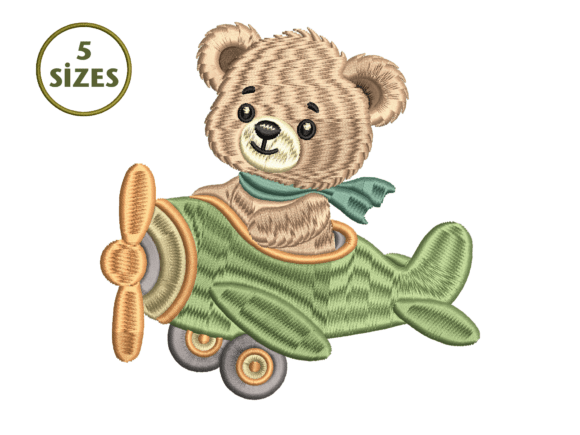
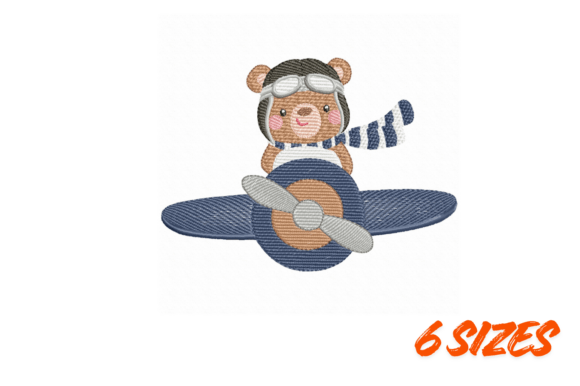
As I set up my booth for the upcoming weekend craft fair, the table is a chaotic mix of fabrics, hoops, and half-finished samples. My goal is simple: identify which machine embroidery design will turn heads and convert browsers into buyers. Today, I am putting the Pilot Bear Airplane Embroidery Art under the microscope. This design features a cute pilot bear flying an airplane, promising beautiful stitch details and smooth finishes. But does it translate from a digital file to a sellable handmade product? Let's dive into the practical realities of turning this Embroidery asset into revenue.
First Impressions: A Whimsical Market Favorite
The moment I load the embroidery file onto my computerized machine, the vibe is immediately clear. This is not a rustic farmhouse piece or a modern minimal abstract. It is undeniably whimsical, soft, and playful. The concept of a Teddy Bear donning a pilot's cap and steering a plane taps directly into the nostalgia and charm that drives sales in the nursery and baby gift sectors. For a craft fair crowd looking for unique gifts, this design feels premium yet accessible. It strikes a balance between being decorative enough for wall art and character-driven enough for apparel.
In the context of Teddy Bears as a category, this design elevates the standard plush toy aesthetic. It suggests adventure and storytelling. When I look at the finished product potential, I see a design that works exceptionally well for parents who want their nursery decor to feel curated rather than generic. The "cute" factor is high, which is often the primary driver for impulse buys at outdoor markets.
Product Versatility: Where Does It Shine?
The description notes that this design is perfect for nursery decor, baby outfits, pillows, and hoop art. However, as a business owner, I need to know where it performs best on the sales floor. Here is how I plan to utilize the Pilot Bear Airplane Embroidery Art across different mediums:
- Hoop Art and Nursery Decor: This is the strongest application. Framing the bear in a 6x10 or 8x10 hoop creates an instant focal point. The smooth finishes mentioned in the description suggest the design holds up well when viewed up close, which is critical for framed art.
- Baby Outfits and Onesies: The scale of the bear needs careful consideration here. On a onesie, this could be a large chest print or a smaller back accent. The whimsical nature fits perfectly with gender-neutral baby showers.
- Tote Bags and Aprons: While the design is cute, it might feel too delicate for heavy-duty work aprons. However, as a tote bag design for a "little traveler" or a market shopper, it has strong appeal. It adds a narrative element to a functional item.
- Tea Towel Embroidery: Kitchen textiles are a staple for craft fairs. Placing the Pilot Bear on a high-quality linen tea towel creates a charming, slightly retro kitchen accessory. Just ensure the fabric texture doesn't obscure the fine details.
- Embroidered Patches and Caps: Creating an embroidered patch version allows customers to apply the design themselves, increasing the perceived value. On a baseball cap, the curved surface requires careful testing to ensure the propeller and wings do not distort.
Production Realities: Stitch Density and Clarity
Before I commit to batch production for the weekend market, I must address the technical execution. The description highlights "beautiful stitch details," which implies a higher level of intricacy. In my experience, intricate designs can sometimes suffer from thread breakage or registration issues if the stitch density is too high for the chosen fabric.
I recommend running a test on scrap fabric first. Check the thread colors against your base material. A white bear on a light blue background offers excellent contrast, but a similar color palette might make the airplane wings disappear. Furthermore, inspect the tiny details like the propeller blades or the bear's goggles. If these are too small, they may lose clarity when stitched on textured towels or thick canvas. Always confirm the hoop size required to maintain the integrity of the design; shrinking it down to fit a small pouch might result in a muddy mess rather than a crisp image.
For dark fabrics, you will likely need a layer of backing stabilizer to prevent show-through, but be cautious. Too much stabilizer can stiffen the fabric, making a soft baby outfit feel rigid. The key to a successful commercial embroidery run is balancing the visual impact with the tactile comfort of the final item.
Selling Strategy: From Booth to Online Shop
How does this design affect buyer engagement? Visual appeal is paramount. When displayed on a table alongside other items, the Pilot Bear Airplane Embroidery Art stands out due to its narrative quality. Customers stop because they recognize the character archetype—the adventurous bear. This stops the scroll, whether physically at a booth or digitally on an Etsy listing.
To maximize sales, create at least one real mockup for every product type. A printable mockup is useful for planning, but nothing sells like a photo of the actual finished product. Show the design on a pillow cover, a tote bag, and a onesie. Highlight the smooth finishes and the quality of the stitching. This builds trust with the customer, assuring them that the digital embroidery file translates into a high-quality physical good.
For the Etsy seller or boutique maker, consistency is key. If you have a brand focused on children's items, this design reinforces that identity. It signals that your shop specializes in thoughtful, handmade goods. However, avoid overusing it to the point of saturation. Keep it as a signature piece that draws people in, then upsell complementary items like matching bibs or blankets.
Practical Designer Notes for Success
Before you finalize your inventory for the next market, keep these critical steps in mind:
- Test Rigorously: Never skip the test run. Stitch the design on the exact fabric you intend to sell. Check for puckering, skipped stitches, or thread tension issues.
- Stabilizer Selection: Use the right stabilizer for the job. Cut-away for stretchy knits (like onesies) and tear-away for woven cottons (like tees and tote bags).
- Licensing Check: Confirm commercial licensing before selling finished products. Ensure you have the rights to use this machine embroidery design for profit, especially if you are creating a line of small shop products.
- Fabric Contrast: Play with color combinations. Sometimes a navy blue bear on a cream background looks more sophisticated than the standard primary colors.
- Size Matters: Respect the minimum size recommendations. Do not shrink the design below its intended scale, or the design assets will lose their definition.
In conclusion, the Pilot Bear Airplane Embroidery Art is a strong contender for any craft fair or online store specializing in children's goods. Its blend of cuteness and detail makes it versatile, provided you respect the technical requirements of the embroidery file. By focusing on high-quality execution and strategic product placement, you can turn this digital asset into a profitable staple for your handmade business. Whether it ends up on a cozy pillow or a durable tote bag, the story of the pilot bear is sure to capture hearts—and wallets—this season.